

There are moments when all you want is to take a single step and breathe in fresh air, right here and now. In a flat, that threshold runs through the balcony, loggia, terrace, or patio. Each format has its own proportions, construction, and purpose. Here, we explore some of the most interesting architectural solutions and delve into the cultural codes of different countries.
The architecture of balconies and loggias is a conversation about climate, but also about habits, pace of life, and even personal boundaries. It is a point of contact with the city — a way to make a statement, or, on the contrary, to hide from view.
In places where the air is warm most of the year, the balcony becomes a natural extension of the living room. In northern countries, it is more often glazed, acting as a kind of winter garden. Such spaces can also double as a study or a personal observatory — a place to watch the sun rise and set, or to check what phase the moon is in that night.

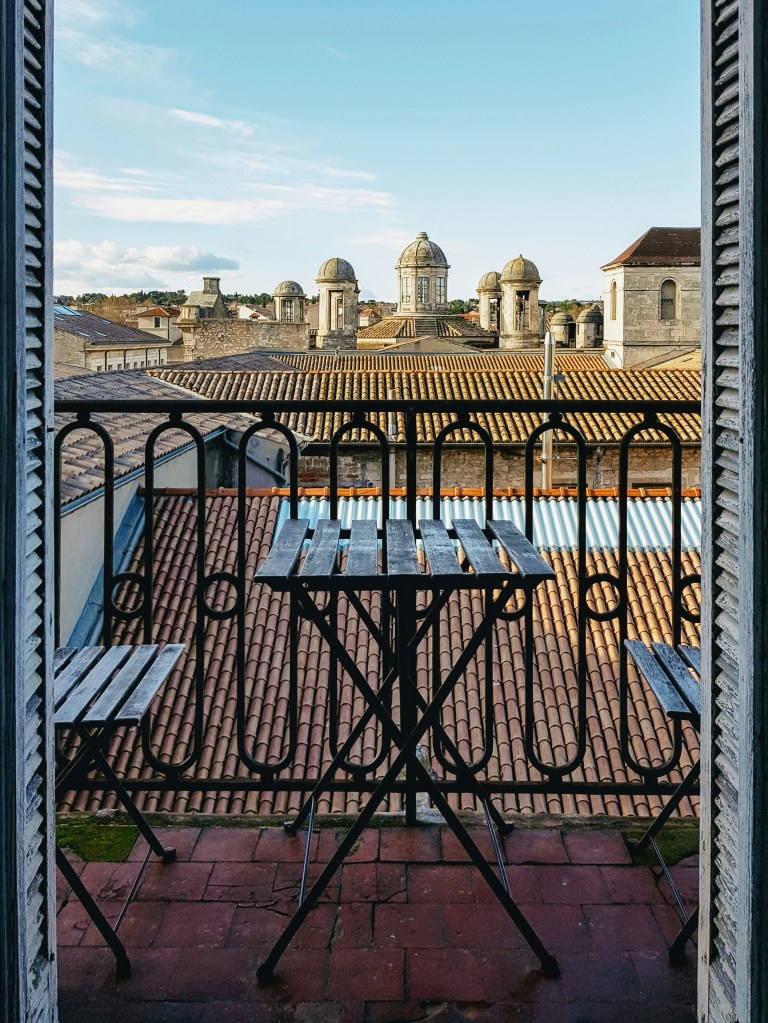
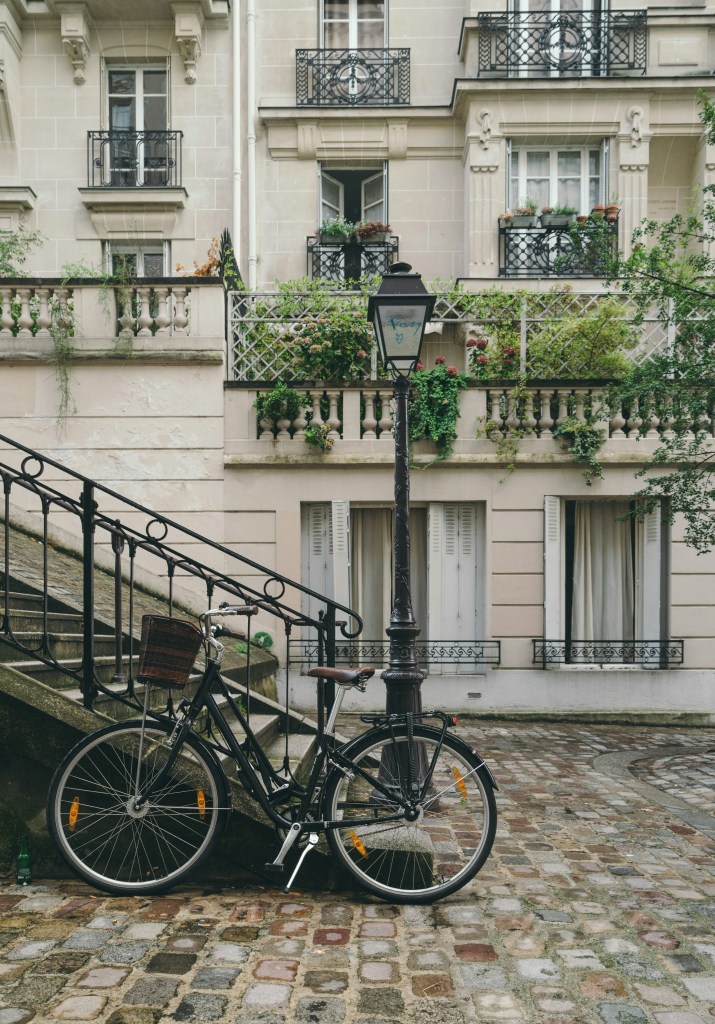
Balconies help create the city’s recognisable aesthetic, and architects take into account factors such as the load-bearing capacity of cantilever slabs, the anchor point to the reinforced-concrete belt, and the choice of flooring that can withstand fluctuations in temperature and humidity. On every continent, the balcony or terrace is part of a wider conversation between climate, lifestyle, and engineering logic.
Where you choose to drink your coffee depends on your preferences
In London, a balcony is more a practical extension of the flat than a place for long conversations. In historic districts, Victorian and Edwardian houses are adorned with miniature cast-iron balconies — more decorative than truly usable. In new residential developments, they are more common, but typically narrow, with high glass or metal balustrades to reduce noise and maintain privacy. The damp climate and frequent winds shape their use: a quick morning coffee, a few pots of rosemary or lavender, and often simply the chance to let in fresh air.
In Rome, it’s different. One step and you’re on a terrace with wrought-iron railings, where your morning coffee stays hot under the blazing sun, and the heat makes the air above the rooftops shimmer. In Paris, a tiny balcony might just hold two cups of espresso and a pot of pelargoniums. In Latin America, life often centres around the patio, where, in the shade of an orange tree, you can hear the clatter of dishes and the voices of the family.
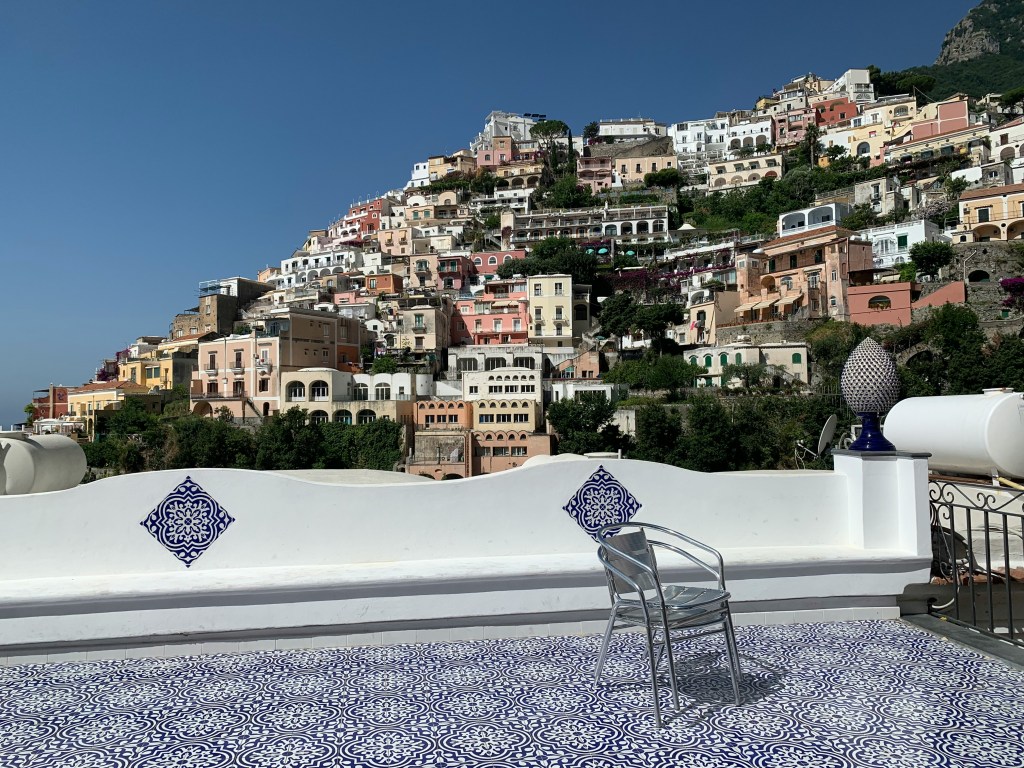
In Barcelona, balconies are often cantilevered — projecting from the façade on metal brackets. They are narrow but long, with ceramic tiles underfoot and wrought-iron railings catching the salt from the sea air. In Milan, recessed loggias are popular: set back into the building’s volume, they provide shade, reduce overheating, and allow outdoor use almost year-round.
In Seville and Granada, patios are paved with tiles, framed by stonework, and complemented by fountains or pools. Their purpose is natural ventilation through temperature differences and privacy in dense urban settings.
In Tbilisi, balconies often have carved wooden railings and canopies to shield residents from sun and rain, with the timber helping to keep the temperature comfortable. In Stockholm, glazed loggias dominate — in winter, they act as a buffer between the street and the flat, reducing heat loss and protecting façades.
In New York, fire escapes — originally designed as evacuation routes — have become an almost iconic city feature, often used as miniature balconies. In Tokyo, micro-balconies barely half a metre deep are common; they hold nothing more than an air-conditioning unit and a clothes dryer, with functionality taking precedence over the view.
Wherever you are, a balcony offers a moment for wishes. Look up!


 the mapper